
Which Modern Behaviours Are Leftovers From Survival Instincts
The habits that frustrate us - anxiety, procrastination, people-pleasing - aren’t flaws, but survival instincts mismatched to modern life. This article explores how our brains, built for danger, still shape our behaviour in a world that no longer threatens us physically.
By Featured Writer, Biba Rey.

You snap at someone you care about.
You panic before speaking up in a meeting.
You feel an urge to check your phone the moment it lights up.
None of these behaviours is new; what has changed is the environment in which we carry them out.
Modern psychology and evolutionary biology concur that the human brain was not developed for contemporary life. Instead, it evolved to ensure survival in small groups, facing constant threats and scarce resources. Many behaviours that frustrate us now are not character flaws but adaptive strategies from our evolutionary past, still active in a world they never intended for (Psychology Today, 2023).
As Charles Darwin noted, responsiveness to change, rather than raw strength, determines survival (Darwin, 1859). The challenge is that human biology evolves much more slowly than culture and technology.
Your Brain Is Built for Danger, Not Comfort
For most of human history, survival depended on a small set of priorities:
Detecting threats quickly;
Staying connected to the group;
Conserving physical and mental energy;
Responding fast rather than accurately.
The human brain has evolved to prioritise speed over nuance, as from an evolutionary perspective, a false alarm was safer than missing a threat. This design persists today.
Modern neuroscience shows that threat-detecting neural circuits activate before conscious thought, triggering widespread arousal and physiological readiness. This early response explains why logic often can't soothe intense emotions (LeDoux, 2012).
Behaviour 1: Anxiety as Hyper-Vigilance
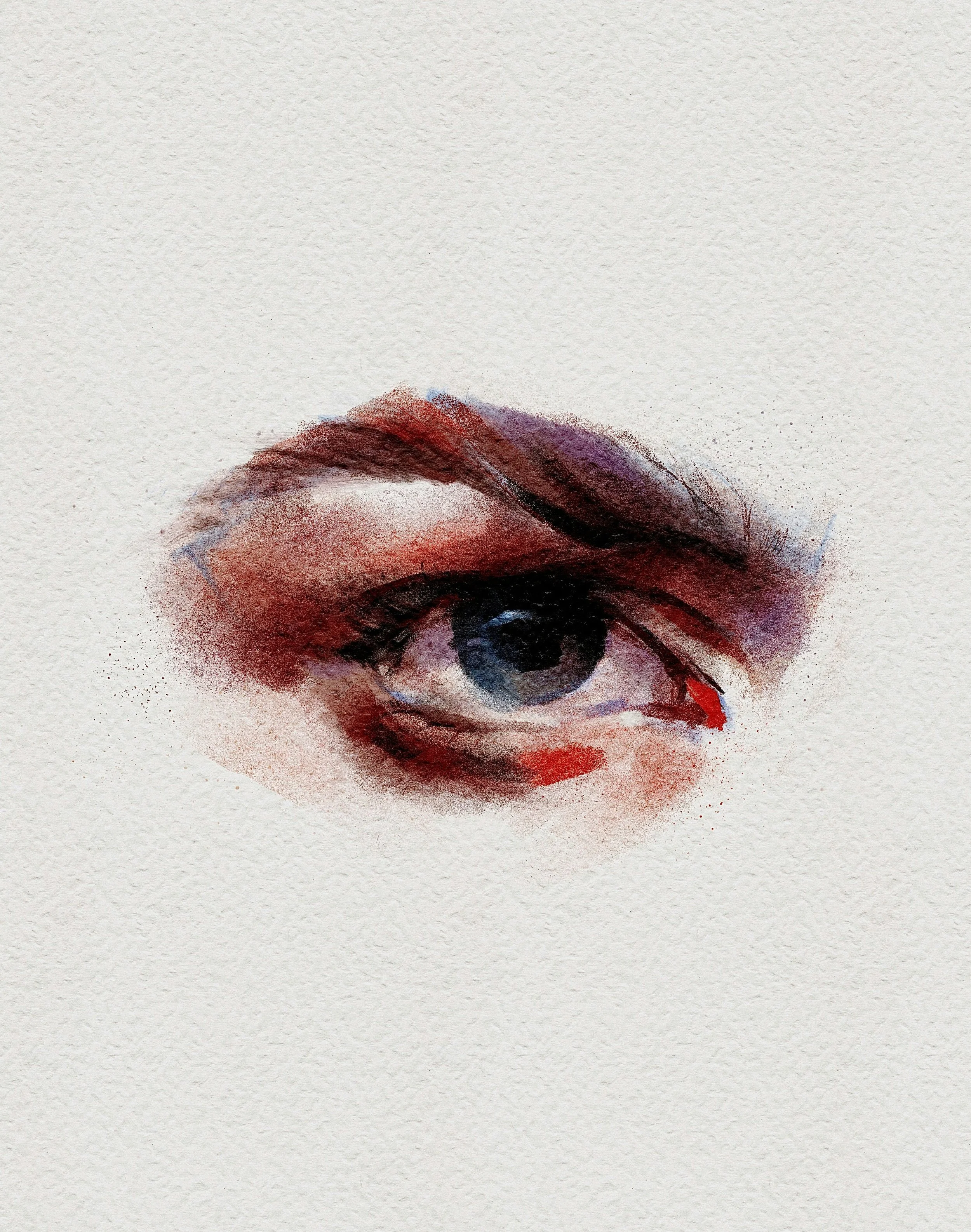
Anxiety is commonly described as a disorder. From an evolutionary perspective, it is better understood as a threat-detection advantage (Psychology Today, 2023).
An anxious nervous system scans for threats, predicts danger, and readies the body to respond. Historically, this helped humans evade predators, aggressive groups, or hazardous landscapes. Today, the same system is triggered by emails, social encounters, performance reviews, or even thoughts about the future.
What changed is not the response, but the threat:
The danger became abstract;
The response stayed physical.
A few years back, I would prepare thoroughly even for small interactions. I rehearsed my points before meetings, reread messages multiple times to check for potential misunderstandings, and during conversations, I paid close attention to the other person’s tone, facial expressions, and pauses, looking for any signs that something was amiss.
Nothing overtly negative occurred. No conflict followed. Yet my body behaved as if the stakes were high. My shoulders stayed tense, my breathing shallow, and my thoughts raced long after the interaction ended.
What I eventually recognised was that my nervous system was treating social uncertainty as a potential threat. It was doing exactly what it had learned to do: closely monitor, anticipate risk, and prepare for consequences. The anxiety wasn’t a flaw in my thinking. It was a survival system applying ancient rules to a modern, low-risk situation.
“Our anxiety does not empty tomorrow of its sorrows, but only empties today of its strengths.” - C.H. Spurgeon (n.d).
How to Be Less Anxious Without Forcing Calm
The goal is not to eliminate anxiety, but to teach the nervous system that it is safe enough to stand down.
Helpful approaches:
Reduce uncertainty gradually in manageable steps.
Since anxiety thrives on unpredictability, create a supportive structure for worry-provoking tasks, such as planning meeting agendas or setting clear expectations early on.
Shift focus from mental reassurance to physical regulation.
A dysregulated nervous system responds well to slow breathing, sensory grounding, and physical activity, as these actions deliver calming signals straight to the body.
Instead of fighting the response, acknowledge it
By quietly recognising, “this is my threat system activating.” This awareness helps break the cycle without forcing immediate change.
Limit rumination windows
By allocating specific, short periods for reflection or planning, and by concentrating on current tasks at other times.
Behaviour 2: Anger as Boundary Protection

Anger carries a strong moral stigma, yet evolutionarily it served a clear function: protection of territory, social position, and resources.
Anger triggers energy, elevating the heart rate, sharpening focus, and preparing the body for confrontation. In small social groups, anger signals that a boundary has been crossed and may prompt corrective measures.
Research in evolutionary psychology suggests that anger evolved to help individuals negotiate social conflict and defend against exploitation (Landers et al., 2025; Sell, Tooby and Cosmides, 2012). In modern environments, however, the threats that trigger anger are often symbolic rather than physical.
Anger can look like losing control, but some evolutionary psychologists argue that it is doing something more specific. It is a pressure tool. It pushes a conflict into the open and signals that you are being treated unfairly, and that this needs to change.
In contrast, hatred is described as having a different goal. It is less about repairing the relationship and more about protecting yourself from someone seen as persistently harmful, often by distancing, undermining, or removing their influence.
Getting clear on which one is present matters because treating hatred like a simple anger problem can lead to the wrong response and block real conflict repair (Landers et al., 2025).
Disrespect, exclusion, or feeling unheard can still activate defensive systems even when physical danger is absent. The issue is not anger itself, but anger that is unrecognised, misunderstood, or poorly regulated.
“For every minute you remain angry, you give up sixty seconds of peace of mind.” - Ralph Waldo Emerson (n.d).
How to Work With Anger Instead of Suppressing It
Anger often escalates when it is ignored or judged. Regulation begins with recognising what anger is protecting.
Helpful approaches:
Identify the source of anger
By asking what feels crossed, overlooked, or unfair. Usually, anger indicates unmet needs or boundary violations.
Slow the response before expressing it
Pausing lets physiological arousal decrease sufficiently, enabling deliberate communication instead of impulsive reactions.Practice assertive, not aggressive, expression
Clear statements about impact and needs help anger serve their original purpose without damaging relationships.Release excess physiological activation
Physical activities like walking, stretching, or exercising help release the energy that anger generates.
Anger becomes easier to manage when it is treated as information rather than a problem to eliminate.
Behaviour 3: People-Pleasing as Group Survival
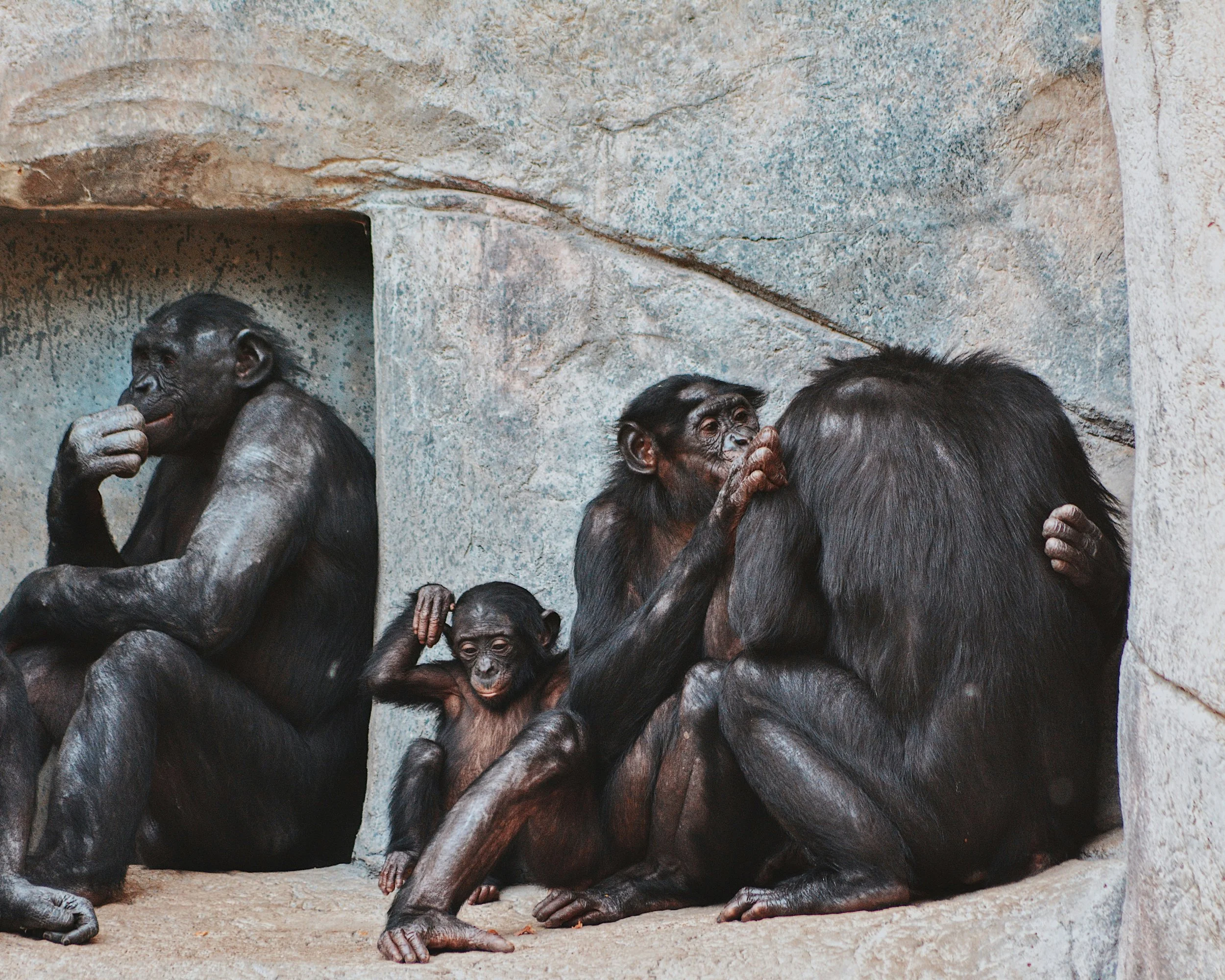
Humans are profoundly social. For most of evolutionary history, exclusion from the group dramatically reduced survival chances.
Behaviours like appeasing others, avoiding conflict, or suppressing personal needs improved chances of being accepted by the group. These tactics were particularly effective for those with less physical strength or lower social standing.
What we now label as people-pleasing is often a social survival reflex, not a personality defect. Research on social threat shows that rejection and exclusion activate the same stress systems as physical danger (Eisenberger, 2012).
This pattern continues to appear in modern workplaces, families, and relationships where belonging feels uncertain or conditional.
“You wouldn’t worry so much about what others think of you if you realised how seldom they do.” – Eleanor Roosevelt (n.d).
How to Reduce People-Pleasing Without Losing Connection
People-pleasing decreases when safety is no longer dependent on constant approval.
Helpful approaches:
Notice when agreement is driven by fear rather than choice
Awareness creates space between impulse and action.Start with low-risk boundaries
Practice saying “no” or expressing preferences in low-stakes situations to train your nervous system gradually.Separate discomfort from danger
Social discomfort is not the same as social threat. Repeatedly handling mild tension can help build confidence.Strengthen internal validation
Reducing reliance on external approval lowers the perceived cost of disagreement.
Belonging becomes more secure when it is not maintained through self-erasure.
Behaviour 4: Procrastination as Energy Conservation
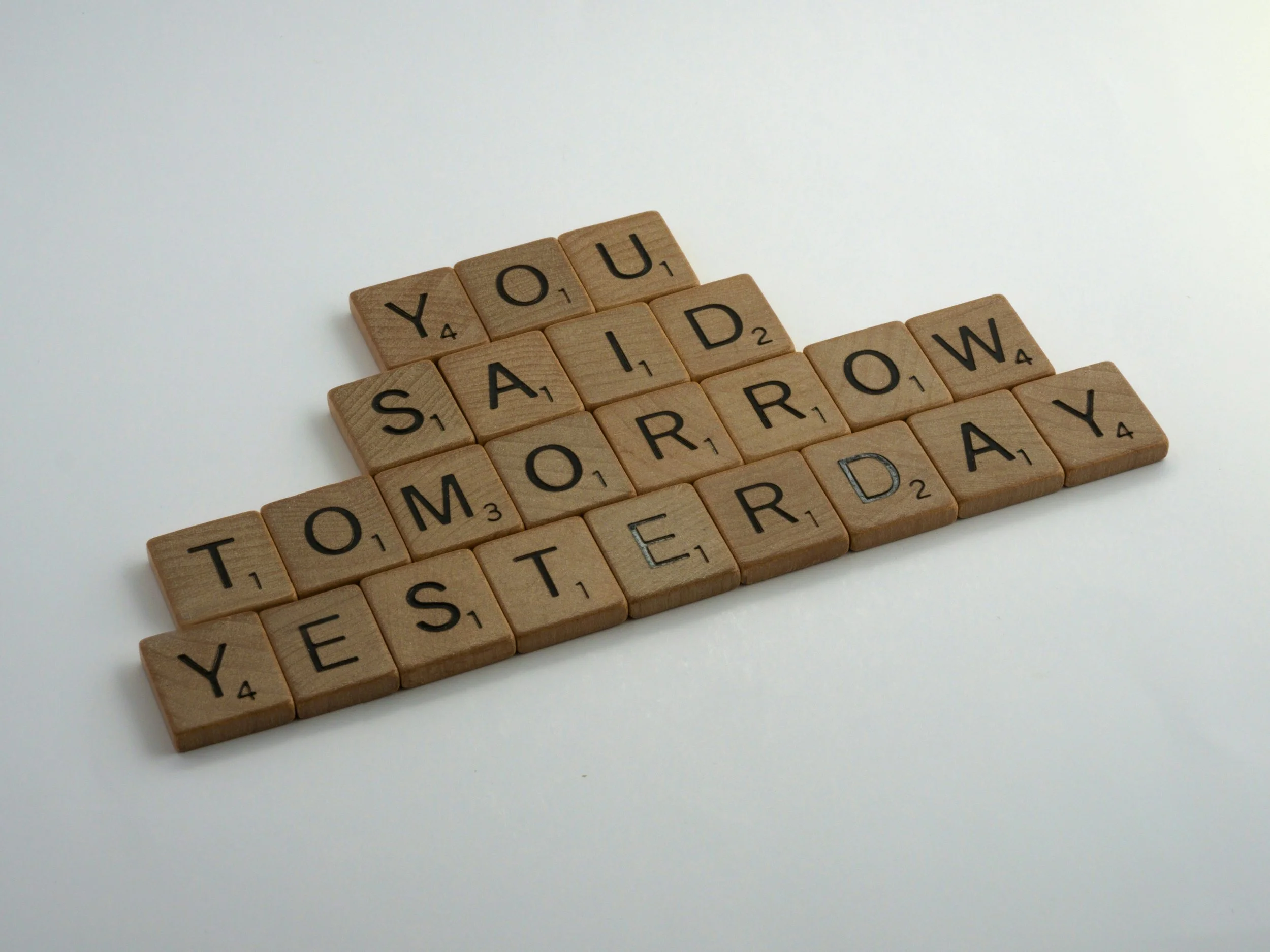
The brain uses a lot of energy, so throughout evolution, it learned to avoid effort unless action was truly necessary.
Procrastination often emerges when a task feels:
Uncertain;
Overwhelming;
Socially risky.
Delaying action until more information was available once made adaptive sense. In modern environments filled with abstract goals, long timelines, and constant evaluation, that same system misfires.
There is a theory that explains why some people “respond poorly to modern conditions despite the benefits, like choices and safety”. This is called an evolutionary mismatch (ScienceAlert, 2018).
“You can't just turn on creativity like a faucet. You have to be in the right mood. What mood is that?… Last-minute panic.” - Bill Watterson (n.d).
How to Move Forward Without Forcing Productivity
Procrastination often reflects overwhelm, not lack of motivation.
Helpful approaches:
Reduce task ambiguity
The brain resists unclear demands. Break tasks into concrete, visible steps.Lower the perceived cost of starting
Commit to very small actions. Momentum often follows initiation.Work in short, contained time blocks
Limited effort feels safer to an energy-conserving system than open-ended demands.Address emotional barriers, not just time management
Fear of evaluation, failure, or exposure often underlies delay.
Productivity improves when tasks feel safe, manageable, and finite.
Behaviour 5: Social Comparison as Survival Mapping
Humans evolved within hierarchies. Knowing one’s position in the group helped predict access to protection, resources, and mates.
Social comparison helped answer essential questions:
Who has power?
Who is safe to follow?
Where do I stand?
Social comparison theory was first proposed in 1954 by psychologist Leon Festinger and suggested that “people have an innate drive to evaluate themselves, often in comparison to others” (Cherry, 2023). Festinger described this drive directly: There exists, in the human organism, a drive to evaluate his opinions and his abilities (Festinger, 1954, p. 117).
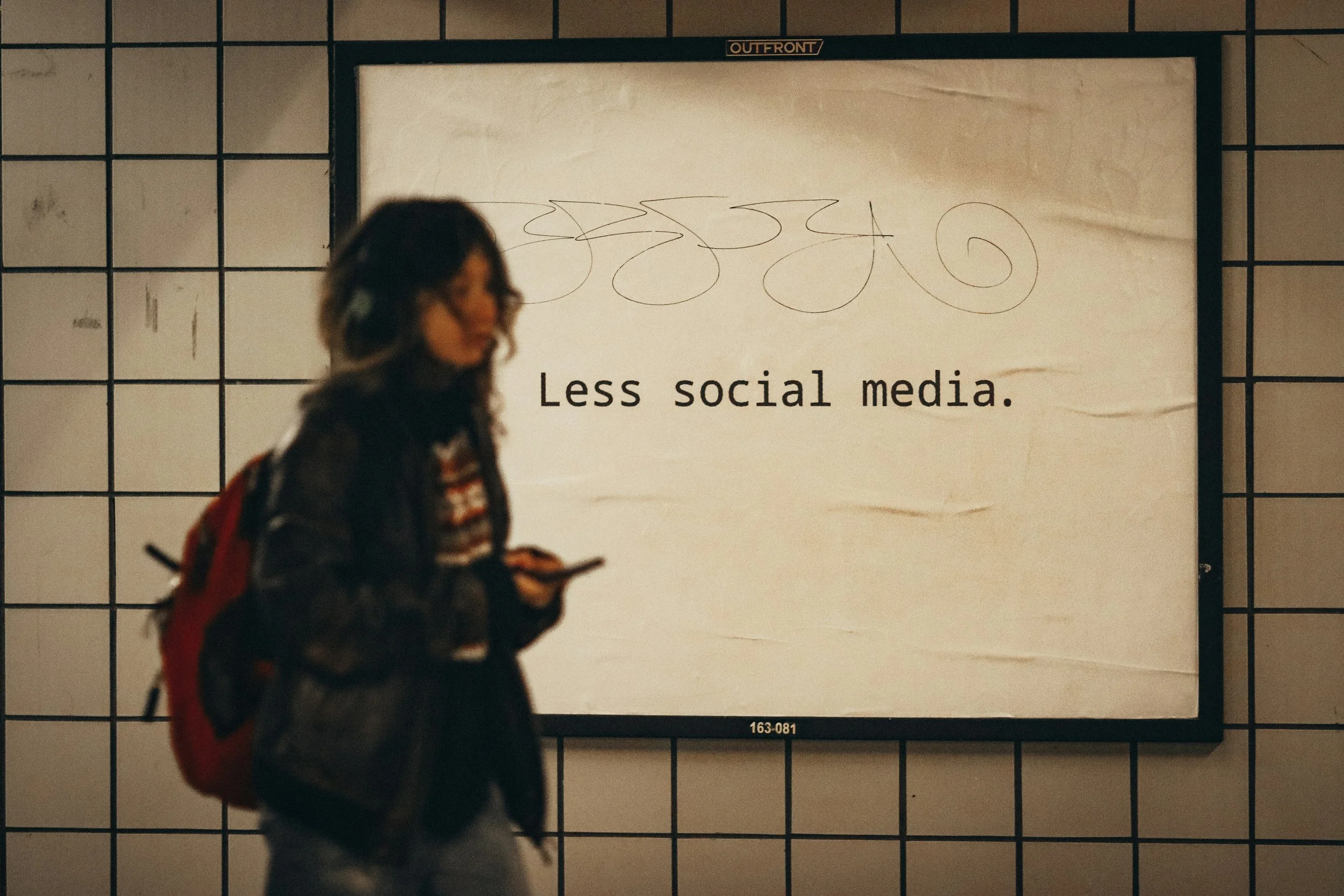
Social media intensifies this instinct by exposing individuals to far more comparison targets than the system evolved to handle. The comparison mechanism itself is not new. Its scale is.
“The curious paradox is that when I accept myself just as I am, then I can change.” - Carl R. Rogers (n.d)
How to Reduce Comparison Without Avoiding Social Contexts
Social comparison cannot be eliminated, but it can be recalibrated.
Helpful approaches:
Limit high-volume comparison environments
Constantly seeing idealised images or accomplishments can flood our natural comparison abilities.Shift comparison from status to learning
Seeing others as sources of information instead of benchmarks diminishes threat activation.Re-anchor identity to personal values
Clear internal criteria reduce reliance on external ranking.Notice upward comparison patterns
Recognising habitual comparison targets can help interrupt automatic self-evaluation.
Comparison loses intensity when identity is grounded internally rather than measured constantly against others.
You Are Not Regressing, You Are Remembering
Many people feel frustrated because they “know better” but still react emotionally. Evolutionary theory helps explain why insight alone rarely changes behaviour. The brain is wired to prioritise survival over comfort or happiness.
Change becomes possible not through self-criticism, but through understanding and regulation. When safety increases, defensive behaviours naturally soften.
Some psychiatrists and psychotherapists knew this concept too well:
“Until you make the unconscious conscious, it will direct your life, and you will call it fate”. - Carl Jung (Jung, n.d)
Understanding the evolutionary roots of behaviour brings unconscious patterns into awareness.
What You Can Take From This
Your reactions are adaptive, not defective;
Understanding evolutionary roots reduces shame;
Regulation and awareness are more effective than self-criticism;
Behaviour changes when safety increases.
Self-assessment quizzes
If you're looking for a clearer understanding of your most common survival patterns, these brief self-assessments can assist. They are not diagnostic, but they can reveal tendencies you might want to explore further.
People-Pleasing Test
https://www.psychologytoday.com/gb/tests/relationships/people-pleasing-test
Procrastination Test
https://www.psychologytoday.com/gb/tests/career/procrastination-test
Anger Management Test
https://www.psychologytoday.com/gb/tests/personality/anger-management-test
References
BrainyQuote (n.d) Anger quotes. Available at: https://www.brainyquote.com/topics/anger-quotes (Accessed: 5 February 2026).
Cherry, K. (2023). What is the social comparison process? Available at: https://www.verywellmind.com/what-is-the-social-comparison-process-2795872 (Accessed: 5 February 2026).
Darwin, C. (1859). On the origin of species. London: John Murray. Available at: https://labgenmol-fo-unam.com/wp-content/uploads/2019/04/the-origin-of-species_charles-darwin.pdf (Accessed: 5 February 2026).
Eisenberger, N.I. (2012). ‘The pain of social disconnection: examining the shared neural underpinnings of physical and social pain’, Nature Reviews Neuroscience, 13(6), pp. 421–434. doi: https://doi.org/10.1038/nrn3231
Festinger, L. (1954). ‘A theory of social comparison processes’, Human Relations, 7(2), pp. 117–140. Available at: https://www2.psych.ubc.ca/~schaller/528Readings/Festinger1954.pdf (Accessed: 5 February 2026).
Goodreads (n.d) ‘Until you make the unconscious conscious, it will direct your life, and you will call it fate.’ Available at: https://www.goodreads.com/quotes/44379-until-you-make-the-unconscious-conscious-it-will-direct-your (Accessed: 5 February 2026).
Goodreads (n.d) Procrastination quotes. Available at: https://www.goodreads.com/quotes/tag/procrastination (Accessed: 5 February 2026).
Hanson, R. (n.d) Anxiety quotes. Available at: https://rickhanson.com/anxiety-quotes/ (Accessed: 5 February 2026).
Healing Brave (n.d) Comparison quotes: Honor your story. Available at: https://healingbrave.com/blogs/all/comparison-quotes-honor-your-story (Accessed: 5 February 2026).
Landers, M., Sell, A., Scrivner, C., & Lopez, A. (2025). ‘The evolutionary logic of anger and hatred: an empirical test’, Evolution and Human Behavior, 46(6), p. 106776. doi: https://doi.org/10.1016/j.evolhumbehav.2025.106776
LeDoux, J.E. (2012). ‘Rethinking the emotional brain’, Neuron, 73(4), pp. 653–676. doi: https://doi.org/10.1016/j.neuron.2012.02.004
Psychology Today (2023) Evolutionary psychology. Available at: https://www.psychologytoday.com/gb/basics/evolutionary-psychology (Accessed: 5 February 2026).
ScienceAlert (2018) Evolutionary mismatch might be why we struggle in today’s world. Available at: https://www.sciencealert.com/evolutionary-mismatch-might-be-why-we-struggle-in-todays-world (Accessed: 5 February 2026).