
Emotion granularity refers to the degree to which individuals can identify and differentiate among discrete emotional states with precision.
Guest Written by Dr Evelyn Mary-Ann Antony.

Developing Emotional Precision in Childhood: The Role of Emotion Granularity
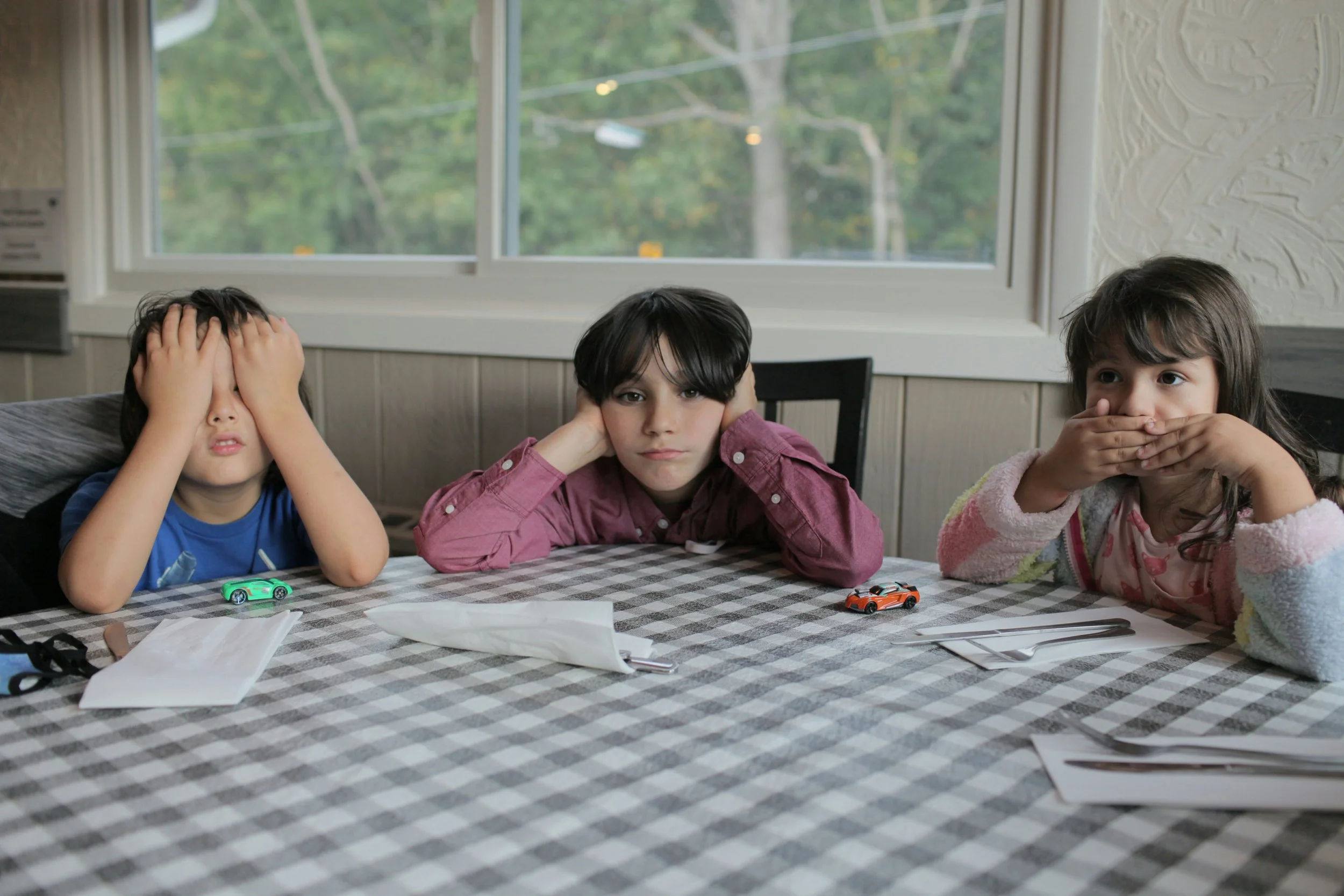
Children encounter a wide range of emotional experiences as they navigate everyday challenges, yet the ability to articulate these experiences develops gradually. A child attempting to complete a difficult puzzle may respond by pushing the pieces aside and declaring that they feel “mad.” Another child in the same situation may describe feeling frustrated because the task is difficult and disappointed because they hoped to complete it successfully. The situations are comparable, yet the latter response reflects a more differentiated understanding of emotional experience. This capacity is commonly described as emotion granularity.
Emotion granularity refers to the degree to which individuals can identify and differentiate among discrete emotional states with precision (Tan et al., 2022; Weismann et al., 2025). Rather than interpreting emotional experiences through broad and undifferentiated categories, individuals with high emotion granularity recognise subtle distinctions between related emotions, such as frustration, disappointment, irritation, or anxiety. This capacity reflects both heightened emotional awareness and access to a nuanced emotional vocabulary that enables individuals to categorise internal experiences more precisely.
Theoretical Foundations
The concept of emotion granularity is grounded in contemporary developments in affective science, particularly the work of Lisa Feldman Barrett. Her ‘Theory of Constructed Emotion’ proposes that emotions emerge through the interaction of bodily sensations, contextual information, and conceptual knowledge acquired through learning and culture (Barrett, 2017). Emotional experiences are therefore understood as constructed psychological events rather than universal, biologically pre-specified responses.
Within this theoretical framework, emotional concepts function as interpretive tools. Language, social interaction, and cultural practices provide children with the conceptual categories used to organise and interpret affective sensations. As children encounter emotional language in conversations, narratives, and educational contexts, they gradually acquire a repertoire of emotional concepts that enable increasingly precise interpretation of their internal states. Emotional vocabulary, therefore, contributes directly to how emotional experiences are structured and understood.
From a developmental perspective, this process highlights the importance of conceptual learning in emotional development. As emotional categories become more differentiated, children gain the capacity to organise internal sensations and contextual cues with greater specificity. This refinement supports the emergence of emotion granularity and enhances children’s ability to reflect upon their emotional experiences.
Emotion Granularity and Emotion Regulation
A growing body of empirical research suggests that emotion granularity is associated with more adaptive patterns of emotional regulation. One mechanism frequently discussed in the literature involves the process of affect labelling, whereby individuals verbally identify and categorise their emotional states. Research indicates that labelling emotions recruits neural networks involved in cognitive control and reflective processing, contributing to the modulation of emotional responses (Kashdan et al., 2015). Developmental research provides further support for this mechanism. For instance, Zhu et al. (2026) investigated the role of affect labelling in emotion regulation among Chinese preschoolers. In their experimental study, children who were encouraged to verbally label their emotions following a frustrating task demonstrated more effective emotional recovery and reduced distress compared to children who did not engage in emotion labelling. These findings suggest that the ability to identify and verbalise emotional states may facilitate regulatory processes even in early childhood.
For children, the ability to distinguish among related emotional states provides a cognitive framework that supports more considered responses to challenging situations. Emotional differentiation enables children to recognise the qualities of an emotional experience and to respond in ways that correspond to the demands of the situation. Over time, this capacity contributes to the development of flexible regulatory strategies and supports adaptive coping when confronted with stress or frustration.
Empirical research also demonstrates links between emotion granularity and psychological wellbeing. For example, Tan et al. (2022) examined positive emotion granularity, referring to the ability to distinguish among different positive emotional states such as gratitude, pride, or contentment. Using experience-sampling methods, participants reported their emotional experiences multiple times across daily life. The findings indicated that individuals who demonstrated greater differentiation among positive emotions reported higher levels of wellbeing and life satisfaction. The authors suggest that the capacity to recognise nuanced positive emotional states may enable individuals to savour experiences more effectively and draw greater psychological benefits from positive events.
Social and Educational Implications
The relevance of emotion granularity extends beyond individual emotional processes. The ability to recognise and articulate nuanced emotional states plays an important role in social understanding and interpersonal functioning. Emotional differentiation facilitates perspective-taking by enabling children to interpret subtle emotional cues in others. This capacity supports empathy, cooperative behaviour, and effective conflict resolution, all of which contribute to the development of positive peer relationships.
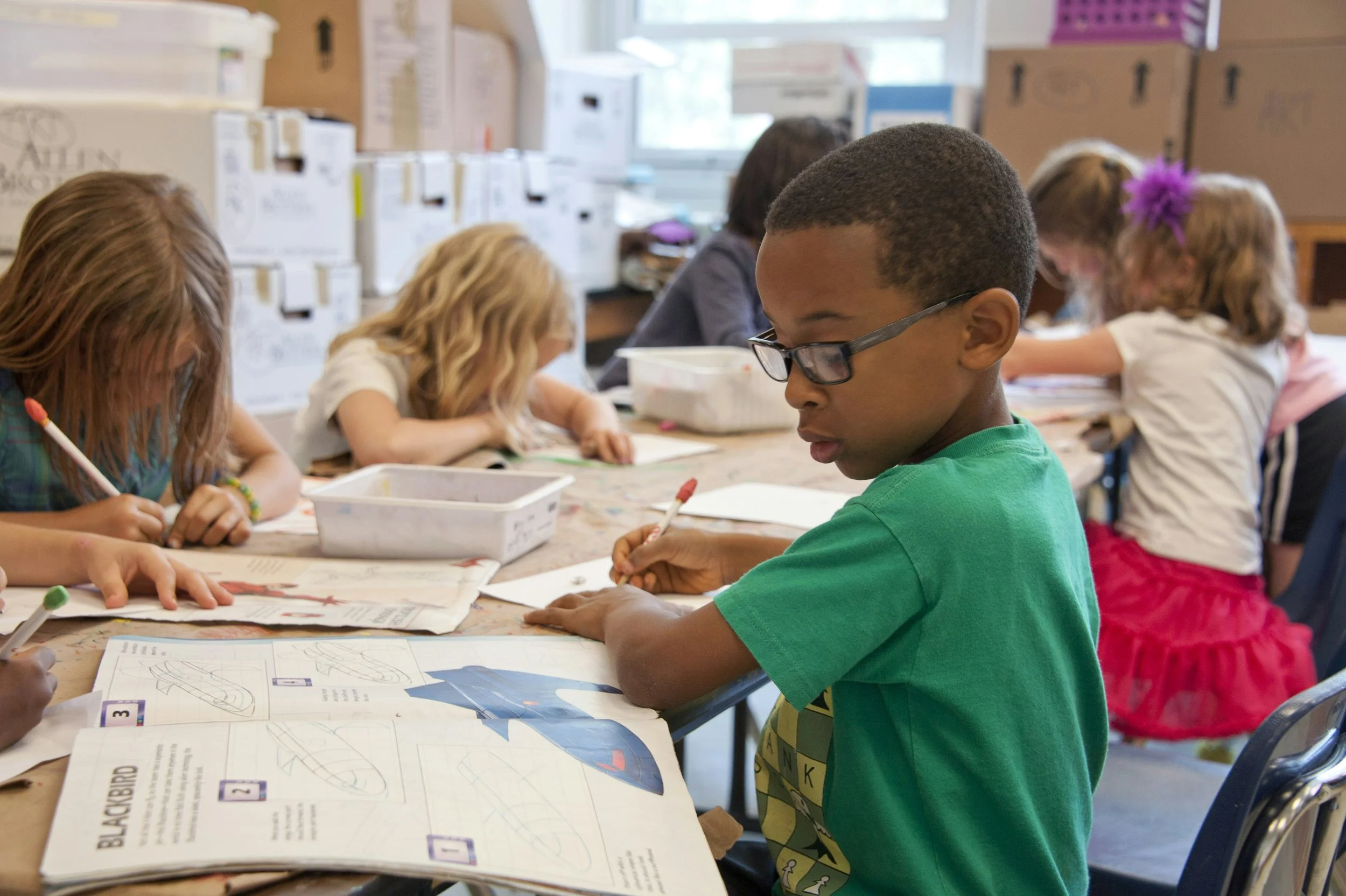
Within educational contexts, emotional competence has also been linked to several indicators of academic engagement. Research suggests that children with richer emotional vocabularies tend to display greater persistence when confronted with challenging tasks and experience lower levels of performance-related anxiety (Denham et al., 2012; Rivers et al., 2020). Emotional understanding can therefore function as a resource that supports learning by enabling children to manage stress and maintain engagement with cognitively demanding activities.
Furthermore, classroom environments frequently require students to navigate collaborative tasks, peer feedback, and evaluation. Emotional awareness and expressive capacity allow children to communicate their needs and experiences more effectively in these contexts, which may contribute to more productive interactions with both peers and educators.
Challenges Associated with Limited Emotional Differentiation
When emotional experiences are conceptualised through broad and undifferentiated categories, children may encounter difficulties in interpreting and communicating their internal states. Descriptions such as “bad,” “upset,” or “fine” provide limited information about the nature of the emotional experience and may obscure meaningful distinctions between emotions that arise in response to different situations.
Limited emotional differentiation can therefore complicate regulatory processes. When the underlying emotional experience remains unclear, selecting an appropriate response becomes more difficult. In social contexts, vague emotional communication may also contribute to misunderstandings between children and their peers or caregivers. These dynamics may reinforce patterns of frustration or emotional dysregulation over time.
Recent research has also explored the role of emotion granularity in resilience among children exposed to adversity. In a neurodevelopmental study, Weissman and colleagues (2025) investigated how emotional differentiation relates to psychological resilience in youth with exposure to childhood violence. The study combined behavioural measures of emotion granularity with neuroimaging data to examine underlying neural mechanisms. Findings indicated that children who demonstrated higher emotion granularity showed more adaptive patterns of neural activation in brain regions associated with emotional regulation and cognitive control. Importantly, greater emotional differentiation was associated with reduced symptoms of anxiety and depression among children who had experienced adversity, suggesting that the ability to identify and distinguish emotional states may function as a protective factor in the context of stress and trauma. Understanding these challenges underscores the importance of supporting the development of emotion granularity during childhood.
Supporting the Development of Emotion Granularity
Zurloni et al. (2026) demonstrate that structured reflection on emotional experiences, conceptualised as critical reflexivity, facilitates the differentiation of affective states. Likewise, Petagna et al. (2026) provide evidence that within-person increases in emotional complexity are associated with concurrent reductions in mental health symptoms, suggesting that more nuanced emotional awareness supports adaptive psychological functioning.
These findings indicate that emotion granularity can be cultivated through guided reflection and deliberate conceptual engagement. Caregivers and educators can promote differentiation by systematically labelling children’s emotions and facilitating discussion of internal experiences. Narratives and storytelling offer additional contexts in which children can analyse the emergence of emotions in specific situations and discern subtle distinctions among related affective states. Moreover, attention to physiological cues, such as changes in heart rate or muscle tension, may augment this process by linking somatic signals to conceptual emotional categories, thereby enhancing the precision of emotional interpretation.

Concluding Reflections
Emotion granularity represents an important dimension of emotional development that reflects the capacity to interpret and articulate emotional experiences with conceptual precision. Through the gradual acquisition of emotional language and conceptual understanding, children develop increasingly differentiated ways of organising and responding to their internal states.
The development of this capacity holds implications for multiple domains of functioning. Emotional differentiation contributes to more effective emotional regulation, supports social understanding, and may facilitate engagement within educational contexts. These outcomes highlight the broader developmental significance of emotional vocabulary and conceptual learning.
Encouraging nuanced emotional language and reflective discussion of emotional experiences provides meaningful opportunities to support this process. By cultivating emotion granularity, caregivers and educators contribute to the development of skills that support wellbeing, interpersonal competence, and adaptive learning throughout childhood and beyond.
Guest Written by Dr Evelyn Mary-Ann Antony.
Dr Evelyn Mary Ann Antony is a Research Associate at Manchester Metropolitan University and recipient of the British Psychological Society’s Outstanding Doctoral Research Contributions to Psychology Award (2025). Her research focuses on emotion dysregulation and parenting practices, with a particular interest in how family environments shape children’s emotional development.
You can read about her research here or contact her via Linkedin.
References
Barrett, L. F. (2017). How emotions are made: The secret life of the brain. Pan Macmillan.
Barrett, L. F., Gross, J., Christensen, T. C., & Benvenuto, M. (2001). Knowing what you're feeling and knowing what to do about it: Mapping the relation between emotion differentiation and emotion regulation. Cognition & Emotion, 15(6), 713-724. https://doi.org/10.1080/02699930143000239
Denham, S. A., Bassett, H. H., Thayer, S. K., Mincic, M. S., Sirotkin, Y. S., & Zinsser, K. (2012). Observing preschoolers’ social-emotional behavior: Structure, foundations, and prediction of early school success. The Journal of Genetic Psychology, 173(3), 246-278. https://doi.org/10.1080/00221325.2011.597457
Kashdan, T. B., Barrett, L. F., & McKnight, P. E. (2015). Unpacking emotion differentiation: Transforming unpleasant experience by perceiving distinctions in negativity. Current Directions in Psychological Science, 24(1), 10-16. https://doi.org/10.1177/0963721414550708
Petagna, K. D., Ecker, A. L., Reid, T. E., McMullen, K. M., Quigley, K. S., & Wormwood, J. B. (2026). Within-person changes in emotional complexity are associated with concurrent changes in mental health symptoms. International journal of clinical and health psychology : IJCHP, 26(1), 100659. https://doi.org/10.1016/j.ijchp.2025.100659
Rivers, S. E., Handley-Minor, I. J., Mayer, J. D., & Caruso, D. R. (2020). 29. Emotional Intelligence. by RJ Stenberg. 2nd Edition. Cambridge: Cambridge University Press, XXII, 1250, 709-735.
Tan, T. Y., Wachsmuth, L., & Tugade, M. M. (2022). Emotional nuance: Examining positive emotional granularity and well-being. Frontiers in psychology, 13, 715966. https://doi.org/10.3389/fpsyg.2022.715966
Weissman, D. G., Rubbani, S., DeCross, S. N., Kasparek, S. W., & McLaughlin, K. A. (2025). Granularity of emotions in brain and behavior and resilience to childhood violence exposure. Biological Psychiatry: Cognitive Neuroscience and Neuroimaging. https://doi.org/10.1016/j.bpsc.2025.05.012
Zhu, C., Ip, K. I., Liu, Z., & Yan, N. (2026). Labeling it makes you feel better: The role of affect labeling on emotion regulation among Chinese preschoolers. Child Development, aacaf033. https://doi.org/10.1093/chidev/aacaf033
Zurloni, V., Tossici, G., & De Luca Picione, R. (2026). The Role of Emotional Granularity in Critical Reflexivity: A Reflexive Diary Study. Behavioral Sciences, 16(2), 279. https://doi.org/10.3390/bs16020279