
Biological Explanations of Mood Disorders
Overall, while biological explanations and treatments have strong scientific support and have significantly advanced our understanding and management of mood disorders, they are limited by determinism, reductionism, and variable effectiveness.
By Samantha Newport, BSc (Hons), MBACP, Dip. Psych. Couns.

Mood disorders sit at the crossroads of thought, emotion, and biology, shaping how people feel, think, and function in everyday life. While experiences like depression and bipolar disorder are often discussed in terms of life events or cognitive patterns, psychology has increasingly turned its attention to what’s happening beneath the surface: the brain, the nervous system, and the complex chemistry that keeps them in balance. From neurotransmitters and neural circuits, to genetics and hormones - biological explanations offer powerful insight into why mood disorders develop and why they can be so persistent.
For psychology students, understanding these biological foundations are essential for connecting theory to clinical practice. For anyone curious about the science of mental health, they reveal how deeply our emotions are rooted in the body as well as the mind.
This article explores the key biological perspectives on mood disorders, highlighting how modern research is reshaping the way we understand, diagnose, and treat disturbances in mood.
But first… What are some common mood disorders?
Mood disorders encompass a range of psychological conditions marked by significant and ongoing disturbances in emotional state that interfere with daily life. Common examples include:
Major Depressive Disorder - involving persistent feelings of sadness and a loss of interest or pleasure;
Bipolar Disorder - characterised by alternating periods of depression and mania or hypomania;
Persistent Depressive Disorder (Dysthymia) - a long-term, low-grade form of depression;
Seasonal Affective Disorder (SAD) - where mood changes are linked to seasonal patterns;
Premenstrual Dysphoric Disorder (PMDD) - which involves severe mood symptoms related to the menstrual cycle.
Despite their differences, these disorders often affect energy levels, sleep, appetite, and overall functioning, significantly, and deserve understanding so to remedy their infliction of distress.
A Biological explanation: Genetic Influences
Genetic influences play a significant role in the development of mood disorders, with research indicating that vulnerability is often inherited rather than caused by a single gene. Mood disorders have been observed to run in families, strongly suggesting that individuals may inherit a genetic predisposition that increases their risk of developing a disorder, particularly when combined with environmental stressors.
For example, Major Depressive Disorder tends to be more common among individuals with a first-degree relative who has experienced depression, highlighting how genetic vulnerability can interact with life events to trigger the onset of symptoms. Bipolar Disorder shows one of the strongest genetic links among mood disorders, with evidence pointing to genes involved in mood regulation, circadian rhythms, and neurotransmitter functioning. Persistent Depressive Disorder (Dysthymia) also demonstrates familial patterns, often overlapping genetically with Major Depressive Disorder. Similarly, Seasonal Affective Disorder (SAD) may be influenced by genetic variations affecting circadian clock genes and serotonin regulation, increasing sensitivity to seasonal changes in light. Whereas, in Premenstrual Dysphoric Disorder (PMDD), genetic differences appear to affect sensitivity to hormonal fluctuations rather than hormone levels themselves, helping to explain why only some individuals experience severe mood symptoms.
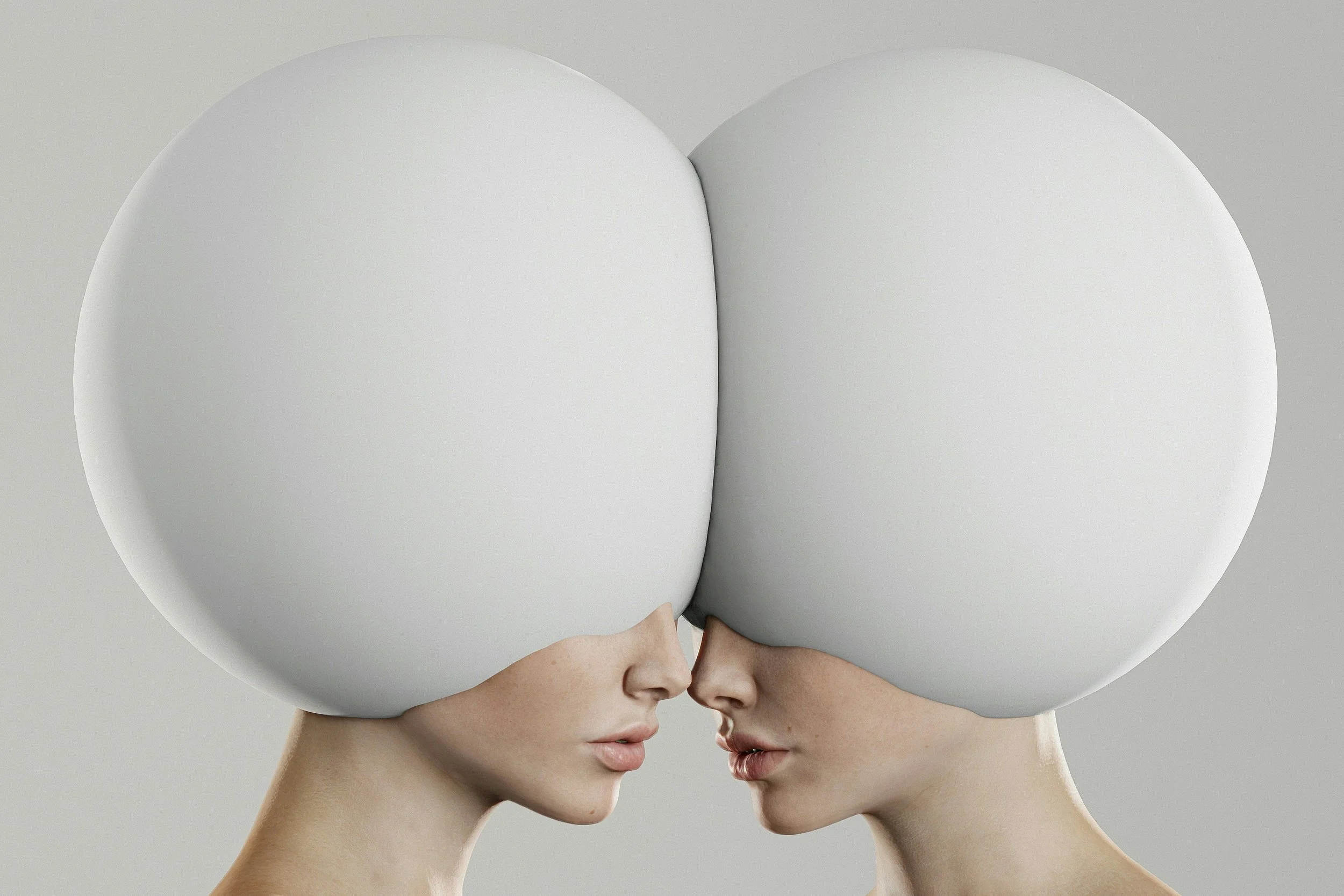
The strong support for genetic explanations originates from twin studies, which compared concordance rates between monozygotic (MZ) twins (i.e., identical twins, split from one egg) who share 100% of their genes, and dizygotic (DZ) twins (non-identical, ‘fraternal’ twins, from two separate eggs) who share approximately 50%.
For instance, McGuffin et al. (1996) found that concordance rates for unipolar depression were 46% in MZ twins compared to just 20% in DZ twins, indicating a substantial genetic contribution. Even stronger evidence had been found in Bipolar Disorder, where Price (1968) reported concordance rates of 68% for MZ twins and a much lower but still significant 23% for DZ twins, suggesting high heritability. Such findings support the view that genetic factors play a greater role in bipolar disorder than in unipolar depression.
Further evidence comes from heritability estimates and molecular genetics research, which suggest that mood disorders are polygenic (a trait or disorder being influenced by many different genes), arising from the combined effect of many genes, each contributing a small increase in risk. Wilhelm et al. (2006), emphasised that while no single gene causes mood disorders, genetic factors significantly shape an individual’s susceptibility and influence how they respond to biological and environmental triggers.
Overall, genetic research highlights the important role heredity plays across different types of mood disorders.
Heritability studies provide further insight into the extent to which genetics contribute to different mood disorders, highlighting that genetic influence varies across diagnoses. Klein et al. (1995), for example, found only a mild genetic influence for both dysthymia and unipolar depression, suggesting that while genetics play a role, environmental factors may be particularly important in the development of these disorders. This supports the idea that conditions such as Persistent Depressive Disorder and Major Depressive Disorder are influenced by a complex interaction of biological vulnerability and life experiences rather than strong genetic determinism. In contrast, Weissman (1984) argued that heritability in bipolar disorder is not entirely direct, as genetic risk may be transmitted through broader traits, such as emotional reactivity or temperament, rather than the disorder itself.
Together, these findings reinforce the view that genetic influence differs in strength and expression across mood disorders.
The Diathesis-Stress Model also offers a useful framework for understanding how genetic influences potentially contribute to mood disorders. According to this model, genetics provide a diathesis (i.e., vulnerability), while environmental stressors act as triggers for the onset of symptoms. An individual may inherit a genetic predisposition for a mood disorder but may never develop it unless exposed to significant stress, such as trauma, loss, or chronic adversity.
Wilhelm et al. (2006) provided strong support for this model, demonstrating that individuals with the short form of the serotonin transporter gene (5-HTT) are more vulnerable to depression, but only when they experience stressful life events. This suggests that genes alone are insufficient to cause mood disorders.
Research has also highlighted gender differences in vulnerability, with evidence suggesting that genetic risk may interact differently with stress in males and females. For instance, Silberg et al. (1999) found that girls are more vulnerable to developing depression than boys, partly because they were deemed to be more sensitive to stress factors during adolescence. This suggested increased stress sensitivity may amplify the effects of genetic vulnerability, if true, helping to explain the higher prevalence of depressive disorders in females.
Overall, The Diathesis–Stress model emphasises that mood disorders arise from the interaction between genetic predisposition and environmental stress, rather than genetics acting in isolation.
A Biological explanation: Neurochemical Imbalances
Neurochemical imbalances also form a key component of biological explanations of mood disorders, focusing on the role of neurotransmitters.
Neurotransmitters are chemical messengers that transmit signals between neurons in the brain; communicating with one another by transmitting signals across synapses. They play a crucial role in regulating thoughts, emotions, and behaviour by either stimulating or inhibiting neural activity. For example, serotonin is involved in mood regulation and emotional stability, dopamine is associated with pleasure, motivation, and reward, and noradrenaline helps regulate alertness, energy, and stress responses. Imbalances in these neurotransmitters can disrupt normal brain functioning, mood, and are closely linked to the development of mood disorders.
To continue - neurotransmitters are released into the synaptic gap and influence the activity of neighbouring neurons before their action is terminated in one of two main ways:
1. They are either broken down by the monoamine oxidase (MAO) enzyme;
2. Or taken back up into the presynaptic neuron through a process known as reuptake.
Disruptions to these processes can lead to abnormal levels of neurotransmitters in the brain, significantly affecting emotional regulation, motivation, and behaviour.
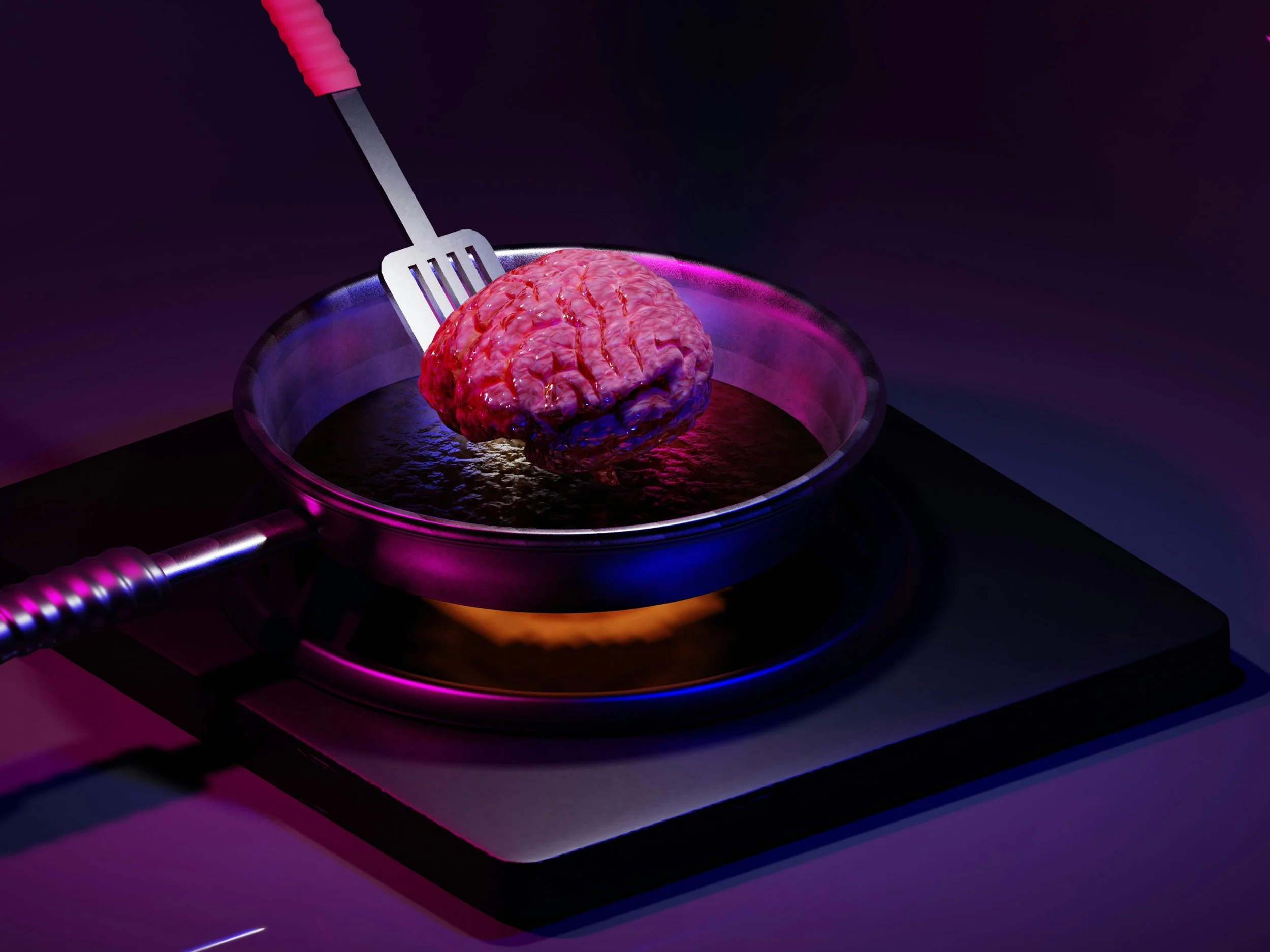
In Major Depressive Disorder and Persistent Depressive Disorder (Dysthymia), depression is commonly associated with a reduction in serotonin, dopamine, and noradrenaline activity. This reduction helps explain core depressive symptoms such as persistent low mood, anhedonia (loss of pleasure), fatigue, poor concentration, and disturbances in sleep and appetite. By contrast, Bipolar Disorder is best understood in terms of neurotransmitter dysregulation rather than a simple deficiency. Manic episodes are associated with increased dopamine and noradrenaline activity, leading to elevated mood, increased energy, impulsivity, and reduced need for sleep, while depressive episodes reflect reduced neurotransmitter functioning similar to unipolar depression.
Neurochemical explanations also extend to more specific mood disorders. For example, Seasonal Affective Disorder (SAD) has been linked to disruptions in serotonin and melatonin systems, caused by reduced exposure to daylight during winter months. These changes interfere with circadian rhythms, contributing to low mood, lethargy, and sleep disturbances. Similarly, Premenstrual Dysphoric Disorder (PMDD) is thought to arise from abnormal neurochemical responses (particularly involving serotonin) to normal hormonal fluctuations across the menstrual cycle. This helps explain why only some individuals experience severe mood symptoms despite typical hormonal changes.
There is substantial biological evidence supporting the role of neurochemical imbalances in mood disorders. For example, Teuting et al. (1981) analysed urine samples from depressed and non-depressed participants and found that individuals with depression had significantly lower levels of noradrenaline and serotonin. This suggests reduced neurotransmitter activity in those experiencing depressive symptoms.
Further support comes from McNeal and Cimbolic (1986), who found that the cerebrospinal fluid of depressed individuals contained lower serotonin levels compared to non-depressed controls. These findings strengthen the argument that reduced monoamine activity is associated with depression.
Overall, research evidence indicates that mood disorders may be linked to complex patterns of neurotransmitter imbalance, characterised by reduced neurotransmitter activity in depression and increased activity during manic episodes, rather than a single chemical deficit. This understanding has been influential in shaping biological treatments, such as antidepressants and mood stabilisers, which aim to restore neurochemical balance.
Biological Treatments
Biological explanations of mood disorders have led to treatments that target underlying neurochemical and circadian mechanisms. The effectiveness of these treatments varies according to the specific disorder, reflecting differences in neurotransmitter activity and biological regulation across conditions we have been looking at thus far.
Drugs such as Monoamine Oxidase Inhibitors (MAOIs) are based on the monoamine hypothesis, which proposes that Major Depressive Disorder (MDD) and Persistent Depressive Disorder (Dysthymia) are associated with reduced activity of serotonin, noradrenaline, and dopamine, as we explored. Therefore, MAOIs work by inhibiting monoamine oxidase - the enzyme responsible for breaking down these neurotransmitters in the brain. As a result, levels of monoamines increase, improving synaptic transmission and alleviating depressive symptoms such as low mood, fatigue, and anhedonia.

Despite their effectiveness, however - particularly in chronic or treatment-resistant depression - MAOIs are now used less frequently due to dietary restrictions and potentially severe side effects.
Selective serotonin reuptake inhibitors (SSRIs) are now, instead, most commonly prescribed. They work by blocking the reuptake of serotonin into the presynaptic neuron, thereby increasing serotonin availability in the synaptic cleft. Given the strong association between reduced serotonin activity and depressive symptoms, SSRIs prove effective in improving mood, sleep, and emotional regulation. These drugs are widely used in Persistent Depressive Disorder, where long-term low mood is present, as they are suitable for extended use and have relatively mild side effects compared to older antidepressants. However, symptom improvement typically takes several weeks, suggesting that adaptive neural changes play a key role in recovery.
SSRIs are also commonly used to treat Premenstrual Dysphoric Disorder (PMDD), due to the understanding that PMDD results from abnormal serotonin responses to normal hormonal fluctuations. Thus, SSRIs are effective in reducing mood symptoms, irritability, and emotional instability, even when prescribed only during the luteal phase of the menstrual cycle.
A prescription of Lithium Carbonate is generally used as the primary biological treatment for Bipolar Disorder. Unlike antidepressants used in unipolar depression, lithium acts as a mood stabiliser; reducing both manic and depressive episodes. Bipolar Disorder, as we’ve explored, is characterised by dysregulation of neurotransmitter systems rather than a simple deficit. The manic episodes experienced are associated with increased dopamine and noradrenaline activity, while depressive episodes resemble unipolar depression. Lithium, therefore, is thought to regulate neurotransmitter release, stabilise neural signalling, and influence intracellular processes involved in mood regulation. It is highly effective in preventing relapse and reducing suicide risk, though careful monitoring is required due to its narrow therapeutic window.
Sometimes non-pharmaceutical routes are pursued (generally in severe cases), such as Electroconvulsive Therapy (ECT). This is primarily used in cases of severe Major Depressive Disorder, particularly when symptoms are treatment-resistant, psychotic, or life-threatening (e.g., high suicide risk). This treatment involves inducing a controlled seizure under general anaesthesia, leading to widespread changes in brain activity. Although the precise mechanism is not fully understood, ECT is believed to increase neurotransmitter availability and promote neuroplastic changes in brain regions involved in mood regulation. Therefore, ECT - although seemingly barbaric - has proved itself to be highly effective in rapidly reducing severe depressive symptoms. Nevertheless, its use is limited by potential side effects such as short-term memory loss.
Other non-pharmaceutical routes exist for specific disorders too, such as Light Therapy for Seasonal Affective Disorder (SAD). Seasonal Affective Disorder, again, as we’ve explored, is strongly linked to disruptions in circadian rhythms and alterations in serotonin and melatonin functioning caused by reduced daylight exposure. To attend to this, light therapy can be offered to provide daily exposure to bright artificial light, typically in the morning, which helps to regulate melatonin secretion and increase serotonin activity. This realignment of the circadian rhythm tethered to light can significantly reduce symptoms such as low mood, lethargy, and sleep disturbance.
Sleep deprivation has also been shown to produce rapid antidepressant effects by altering circadian timing and neurotransmitter activity. However, these effects are usually short-lived, meaning sleep deprivation is typically used as a short-term or adjunctive intervention rather than a standalone treatment.
Evaluation of Biological Explanations
Deterministic
Biological explanations of mood disorders are often criticised for being biologically deterministic, as they imply that behaviour and emotional experiences are largely governed by internal biological processes such as genes, neurotransmitters, and hormonal activity. By emphasising inherited vulnerability or neurochemical imbalance, these explanations can suggest that individuals have little control over the development or course of their disorder. This may be seen as overly pessimistic, as it underplays the role of personal agency, coping strategies, and psychological resilience. However, the diathesis–stress model partially addresses this limitation by recognising that biological vulnerability alone is insufficient, and that environmental stressors are necessary to trigger the disorder.
Reductionist
Another key criticism is that biological explanations can be seen as reductionist, as they attempt to explain complex emotional experiences and behaviours by reducing them to basic biological mechanisms, such as neurotransmitter levels or brain activity. While this approach has generated valuable scientific evidence, it may oversimplify mood disorders by neglecting the richness of subjective experience and the interaction between multiple levels of explanation. For example, explaining depression solely in terms of serotonin deficiency fails to capture the influence of trauma, cognition, or interpersonal relationships. As a result, biological explanations may provide an incomplete account of mood disorders when considered in isolation.
Ignoring Social & Cognitive Factors
Closely related to reductionism is the criticism that biological explanations largely ignore social and cognitive influences. Factors such as negative thinking patterns, stress, cultural expectations, social support, and life events are well-established contributors to mood disorders. Cognitive models highlight maladaptive beliefs and biases, while social explanations emphasise deprivation, isolation, and stressful environments. By focusing predominantly on biology, these explanations risk neglecting how environmental and psychological factors contribute to both the onset and maintenance of mood disorders. This limitation has led many psychologists to favour a biopsychosocial approach, which integrates biological, cognitive, and social explanations.
Evaluation of Biological Treatments
Invasive
A major criticism of biologically based treatments is that some are invasive and can involve significant side effects. Drug treatments such as MAOIs and lithium can cause adverse physical effects and require careful monitoring, with lithium in particular having a narrow therapeutic window. Electroconvulsive Therapy (ECT) is especially controversial, as it involves inducing seizures and can result in short-term memory loss and cognitive impairment. Although modern ECT is administered under anaesthesia and is far safer than early forms, its invasive nature raises ethical concerns and can be distressing for patients.
Does Not Work For Everyone
Another important limitation is that biological treatments do not work universally. Antidepressants such as SSRIs are effective for many individuals with depression or PMDD, but a significant proportion of patients experience little or no improvement, or find side effects intolerable. Similarly, lithium is highly effective for some individuals with bipolar disorder but ineffective or unsuitable for others. Treatments such as light therapy and sleep deprivation can also vary greatly in effectiveness and are often only beneficial for specific subtypes of mood disorder. This variability highlights the limitations of relying solely on biological treatments and reinforces the importance of personalised and integrative approaches to treatment.
Conclusion
Overall, while biological explanations and treatments have strong scientific support and have significantly advanced our understanding and management of mood disorders, they are limited by determinism, reductionism, and variable effectiveness. These limitations emphasise the need for a holistic approach that combines biological treatments with psychological and social interventions.
Explore Our Other Articles on Mood Disorders:
The Behaviourist Approach to Depression: A Critique — The Room - Psy
References
Klein, D.N., Taylor, E.B., Harding, K. and Dickstein, S. (1995). Double depression and episodic major depression: Demographic, clinical, familial, personality, and socioenvironmental characteristics and short-term outcome. American Journal of Psychiatry, 152(2), pp.255–262.
McGuffin, P., Katz, R., Watkins, S. and Rutherford, J. (1996). A hospital-based twin register of the heritability of DSM-IV unipolar depression. Archives of General Psychiatry, 53(2), pp.129–136.
McNeal, E.T. and Cimbolic, P. (1986). Antidepressants and serotonin: A review of biochemical evidence. Psychological Bulletin, 99(2), pp.247–260.
Price, R.A. (1968). The genetics of manic-depressive illness. British Journal of Psychiatry, 114(513), pp.831–838.
Silberg, J., Pickles, A., Rutter, M., Hewitt, J., Simonoff, E., Maes, H., Carbonneau, R., Murrelle, L., Foley, D. and Eaves, L. (1999). The influence of genetic factors and life stress on depression among adolescent girls. Archives of General Psychiatry, 56(3), pp.225–232.
Teuting, P., Koslow, S.H. and Hirschfeld, R.M.A. (1981). Biogenic amines and depression: Urinary excretion studies. Archives of General Psychiatry, 38(7), pp.772–776.
Weissman, M.M. (1984). Genetic studies of affective disorders. Archives of General Psychiatry, 41(6), pp.571–578.
Wilhelm, K., Mitchell, P.B., Niven, H., Finch, A. and Wedgwood, L. (2006). Life events, first depression onset and the serotonin transporter gene. British Journal of Psychiatry, 188(2), pp.210–215.