
When Christmas is Something You Survive
Sometimes I don’t want to put the tree up, I don’t want to hang the decorations, I don’t want to perform joy when my nervous system is already overloaded. Not because I don’t care, but because caring has taken everything I have.
By Featured Writer, Michelle Smith.
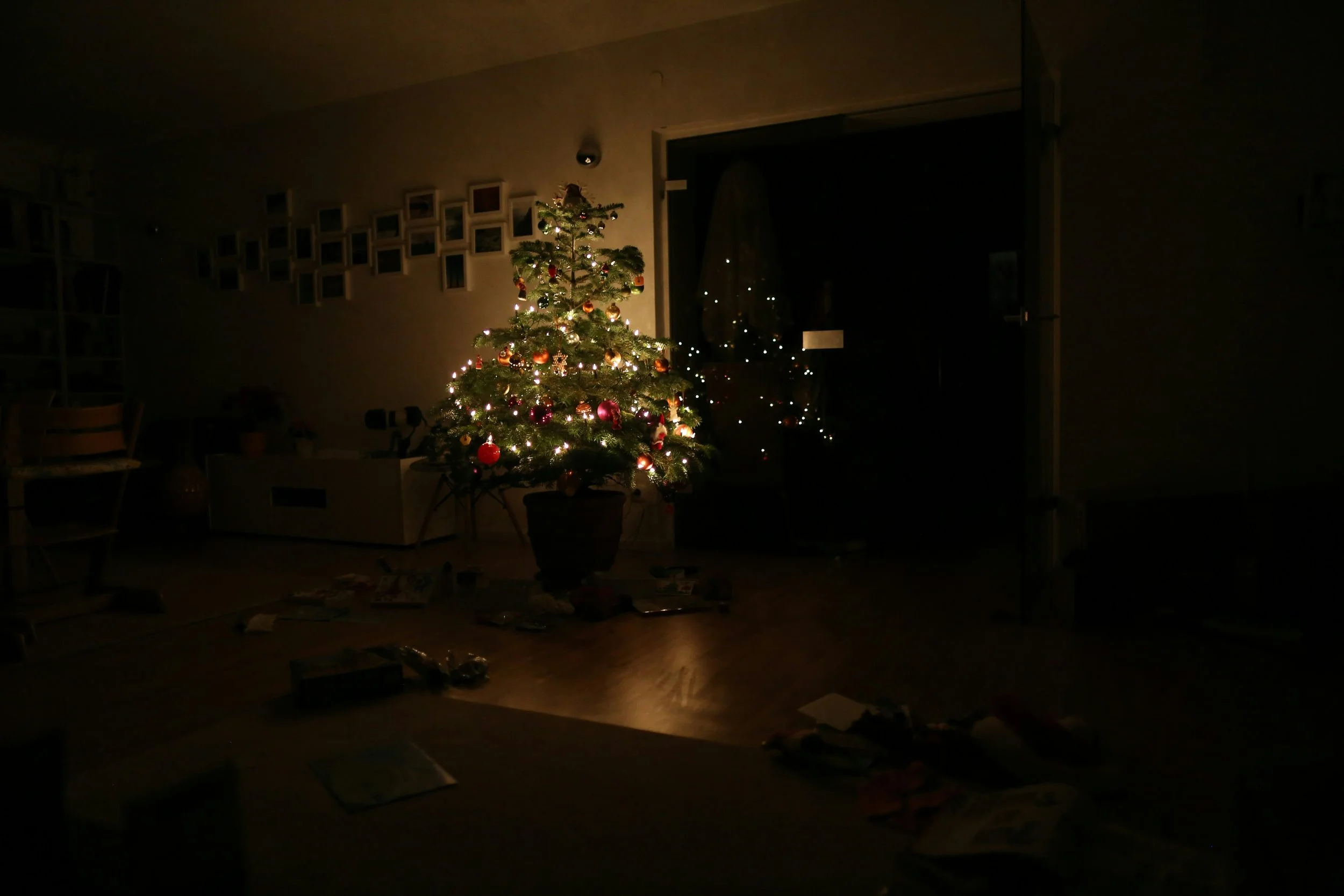
There is a particular loneliness that comes with Christmas when a parent has died. It doesn’t always arrive in tears; sometimes it slips in quietly into the background of conversations, in the rituals that no longer feel the same, in the moments when everyone else seems to know how this season is supposed to feel.
The absence is constant, even in a full room, even when I’m smiling, grief doesn’t soften because the calendar says it should. Christmas doesn’t heal loss; it exposes it, it reminds me, again, that someone fundamental is missing and always will be.
What follows is a deep, bone-level tiredness, not just grief, but the exhaustion of continuing to function, of showing up every day, of parenting, working, holding things together and then being asked to layer Christmas on top of all of that. The pressure to be festive, organised, grateful, to create warmth and magic, regardless of how empty I might feel inside.
When you are supporting someone living with CPTSD, depression, or hypervigilance, Christmas can be especially demanding: the noise, the disruption to routine, the social intensity, the heightened emotional landscape. I find myself constantly attuned watching, anticipating, regulating alongside them, offering reassurance, softening edges before they cut. It’s done with love, but love doesn’t cancel out the cost.
And somehow, the expectation remains that I will carry it all.
As the mother, I am expected to be the emotional anchor, to notice what everyone needs, to absorb the stress, manage the logistics, hold the family steady while meeting the unspoken social rules of what Christmas should look like. This labour is invisible, but it is heavy; it accumulates quietly, year after year.
What feels hardest to admit is this: sometimes I don’t want to put the tree up, I don’t want to hang the decorations, I don’t want to perform joy when my nervous system is already overloaded. Not because I don’t care, but because caring has taken everything I have.
There is grief in feeling that rest is not allowed, that slowing down would be selfish, that meeting my own limits would somehow let others down. Yet constantly pushing through comes at a cost; burnout doesn’t announce itself loudly, it builds in moments like these, where personal needs are repeatedly postponed in the name of tradition and expectation.
Christmas can be painful without being obvious; many people are surviving this season while appearing completely fine, functioning, smiling, delivering. Inside, they are carrying grief, responsibility, and emotional fatigue all at once.
From a counselling perspective, this time of year often places significant strain on the nervous system, grief resurfaces, trauma responses intensify, and expectations override capacity. When individuals feel they must perform wellness and joy, distress is often internalised rather than expressed. A trauma-informed approach invites permission, to notice limits, to reduce stimulation, and to prioritise emotional safety over social obligation.
Perhaps what Christmas needs is less pressure and more honesty, less performance and more permission. Permission to grieve who is missing, permission to scale back, permission to choose what is sustainable, not what is expected.
A grounded Christmas isn’t one that looks perfect; it’s one that feels safe enough. Sometimes that means fewer decorations, sometimes it means quieter days, sometimes it simply means allowing ourselves to breathe without guilt.
Presence without performance is enough, a regulated moment, a softer pace, a reminder that we are allowed to meet this season exactly as we are, not as we think we should be.
And that really is enough.