
When wellness feels overwhelming, repeatable habits give your mind clear “next steps” and your body reliable cues for safety and recovery. Over time, these head-to-toe routines can support mood, focus, and self-trust without needing perfection.
Guest Written by Cheryl Conklin, from Wellness Central.

Busy adults managing anxiety, low mood, or chronic stress often try to “think” their way into feeling better, then feel discouraged when everyday well-being challenges keep showing up anyway. The core tension is simple: life still needs to be lived, but complicated routines and vague advice can make beginner health improvement feel out of reach. Head-to-toe wellness offers a more realistic starting point by treating mental, emotional, and physical health as connected parts of the same system. With simple health strategies and daily self-care habits that fit real schedules, steadier energy, calmer reactions, and clearer focus can start to feel like a normal baseline.
Understanding Holistic Head-to-Toe Wellness
Holistic health means caring for your whole system, not chasing one quick fix. In a holistic health approach, your physical habits, thoughts, and emotions affect each other all day long. That is why small changes across the body and mind can add up faster than one perfect routine.
This matters because stress does not live only in your head. It also shows up as tight shoulders, shallow breathing, poor sleep, and snappy reactions. When you support your body, your mood often steadies too, and mindfulness interventions lead to adaptive changes in the subjective experience of interoception, which can make it easier to notice needs earlier.
Think of it like a three-legged stool: body, mind, and emotions. If one leg is wobbly, the whole stool feels unstable. A short walk, a glass of water, and a two-minute reset breath can change how you handle the next email.
Head-to-Toe Habits You Can Repeat All Week
When wellness feels overwhelming, repeatable habits give your mind clear “next steps” and your body reliable cues for safety and recovery. Over time, these head-to-toe routines can support mood, focus, and self-trust without needing perfection.

Two-Minute Neck and Shoulder Reset
What it is: Roll your shoulders, stretch your neck gently, and breathe slowly for two minutes.
How often: Daily, especially after screens.
Why it helps: Releases tension that can amplify irritability and mental fatigue.

Consistent Sleep Bookends
What it is: Keep a steady wake time and start a 20-minute wind-down ritual.
How often: Daily.
Why it helps: Supports restorative sleep and steadier emotional regulation.

Box Breathing Pause
What it is: Practice box breathing for four slow counts per side.
How often: 1 to 3 times daily.
Why it helps: Calms stress physiology and improves decision-making under pressure.

Gentle Skin Care Basics
What it is: Cleanse, moisturise, and apply SPF 30+ each morning.
How often: Daily.
Why it helps: Protects your barrier and reduces inflammation triggers.

Two-Minute Brush Plus Floss
What it is: Brush for two minutes and floss once, focusing on the gumline.
How often: Daily.
Why it helps: Supports oral health linked with broader systemic wellness.

Water Anchor Habit
What it is: Drink a full glass of water with breakfast and mid-afternoon.
How often: Daily.
Why it helps: Supports energy, digestion, and clearer attention.
Common Questions About Simple Wellness Habits
Q: How can starting my day with simple stretches improve my overall physical and mental health?
A: Gentle morning stretching loosens stiffness, increases circulation, and helps your body shift out of “alarm mode.” Mentally, it creates a quick win that can reduce overwhelm by giving you one clear, doable action. Try 60 to 120 seconds of neck rolls, shoulder circles, and a slow forward fold whilst breathing evenly.
Q: What are effective bedtime habits to ensure I get restorative sleep every night?
A: Keep a consistent wake time and start a short wind-down routine that signals “safe to power down,” like dimming lights, putting your phone out of reach, and doing a quick body scan. Many people aim for 7 to 9 hours of sleep each night, but consistency matters even more than perfection. If your mind races, jot worries on paper and choose one small task for tomorrow.
Q: Which mindfulness or breathing techniques are best for reducing daily stress and emotional overwhelm?
A: Start with a simple breathing pattern you can remember under pressure, such as inhale for four, exhale for six, and repeat for two minutes. Pair it with a grounding cue: name five things you see, four you feel, three you hear, two you smell, and one you taste. The best technique is the one you will actually use when you are tense.
Q: What daily routines support healthy skin and oral care without adding complexity to my day?
A: Think “minimum effective steps”: cleanse, moisturise, and sunscreen in the morning, then a quick cleanse and moisturise at night. For oral care, brush for two minutes and floss once, and link it to an existing cue like your first bathroom trip. Before flossing or handling contact lenses, perform hand hygiene to keep the routine clean and simple.
Q: If I'm feeling stuck and want to pivot into a healthcare-related field, what online healthcare education options can help me explore and advance in this area?
A: Start by naming your wellness priorities, like stress support, sleep, prevention, or patient advocacy, then map them to roles in care coordination, health education, or operations. Flexible online options include introductory public health courses, healthcare administration degrees online, healthcare administration certificates, and leadership microcredentials that let you test interest without a full degree commitment. Employers often see a commitment to lifelong learning as a signal that you are building practical, current skills.
Quick Wellness Takeaways
Stretch gently each day to support flexibility and ease everyday stiffness.
Prioritise consistent sleep habits to protect energy, mood, and overall well-being.
Practice quick stress relief reminders to calm your body and mind during busy moments.
Drink water regularly to support steady hydration throughout the day.
Reach out for social connection to boost emotional health and feel more supported.
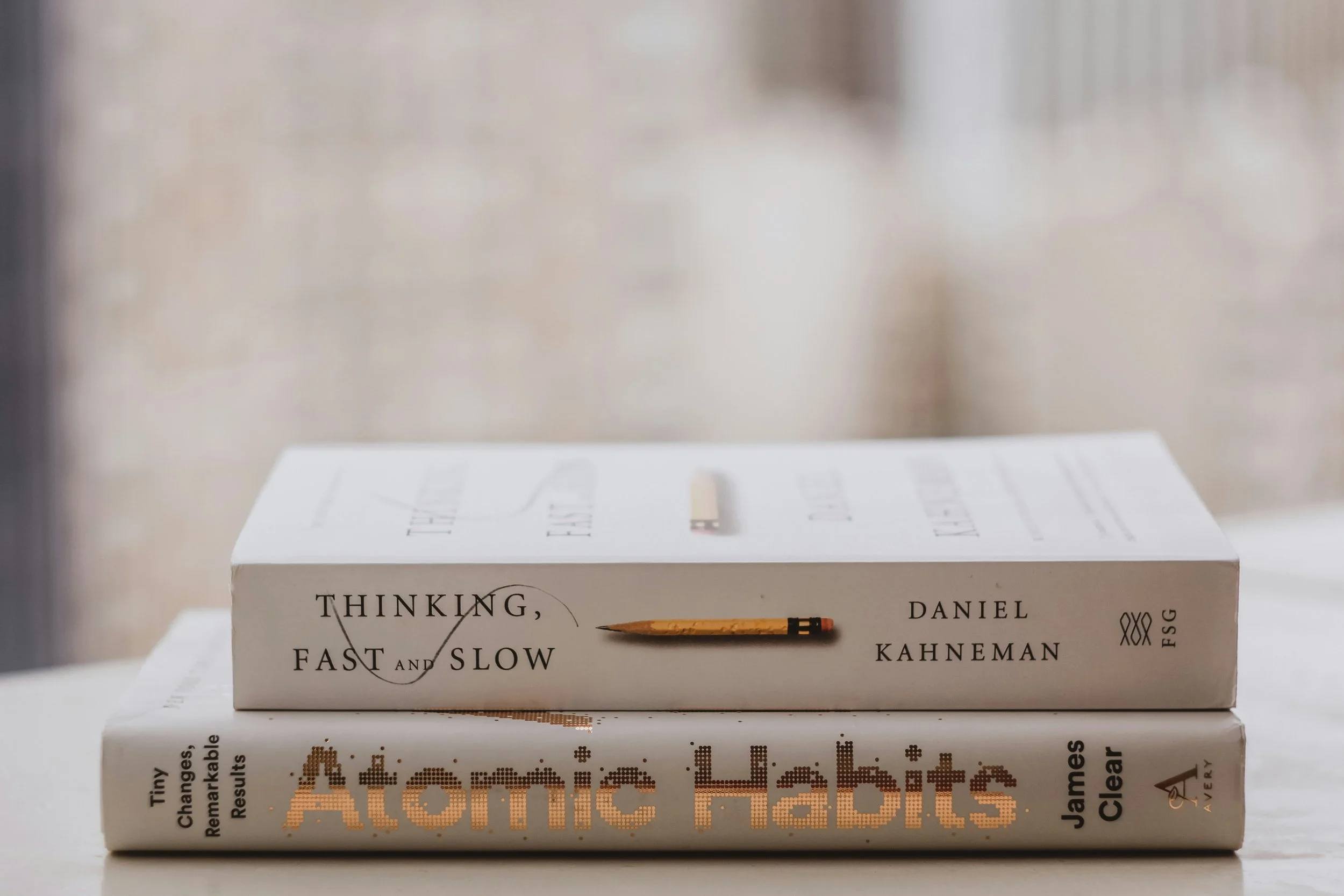
Build Everyday Head-to-Toe Wellness With One Small Habit
It’s easy to want better health from head to toe and still feel too busy, stressed, or scattered to follow through. The way forward is simple: treat daily well-being maintenance as gentle habit commitment encouragement, small, repeatable choices that fit real life. With time, motivational health practices stop feeling like tasks and start feeling like support, making simple lifestyle improvements easier to keep. Pick one tiny habit, repeat it daily, and let consistency do the heavy lifting. Choose one takeaway today and do it at the same time tomorrow. That’s how head-to-toe health motivation becomes steadier energy, resilience, and a calmer mind you can count on.
Guest Written by Cheryl Conklin
from Wellness Central