
The Strong One: Who Holds You When You’re the One Everyone Leans On?
Being ‘the strong one’ doesn’t mean you are immune to fears, doubts, grief, frustration, and exhaustion; you still carry the same human emotions as everyone else. However, the difference is that you often carry them alone.
By Featured Writer, Michelle Smith.

In every family, workplace, or friendship group, there is often one person who quietly becomes ‘the strong one’. I know, I’ve been that person, until I realised that giving myself permission to seek support was a fundamental part of being able to cope.
Are you:
The steady presence when things fall apart, the one people call when life gets messy, the one who listens, advises, supports, and somehow keeps everything moving forward?
Holding space for everyone else?
On the outside, appearing calm, capable and resilient, others admire your strength, even being told, “I don’t know how you do it.”
Yet never being asked, “Who holds you, the strong one?”
It’s normally the case that you don’t consciously decide to become ‘the strong one’; it’s something that develops over time, a role that is gradually slipped into and worn like a favourite jacket.
Perhaps you were the child who sensed tension in the room and tried to smooth things over, perhaps you learned early on that being dependable, helpful, or emotionally mature brought a sense of stability.
Sometimes it happens through life experience, difficult relationships, challenging circumstances, or being the person others rely on can gradually shape someone into the role of “the one who copes”. Coping becomes your identity, what people associate with you when they hear your name.
People begin to see you as the safe space, the one who can handle things, the one who will show up no matter what.
Strength becomes your superpower. I see you now standing ready for action, your superhero cape waving in the breeze!
There is a quiet paradox in being ‘the strong one’, because the stronger you appear, the less people tend to worry about you.
Others assume you’re fine, after all, you are the one offering the support, the guidance, the calm perspective, you are the one who helps others make sense of their lives. Especially at the moment, with so much going on in the world, people are looking for a safe person, someone to throw them a lifejacket to navigate the murky waters of unrest and uncertainty.
Being ‘the strong one’ doesn’t mean you are immune to fears, doubts, grief, frustration, and exhaustion; you still carry the same human emotions as everyone else. However, the difference is that you often carry them alone.
Sometimes you do this because you have become used to being the supporter rather than the supported. Sometimes you feel you must hold everything together for everyone else. This can be because you simply don’t know where you would feel safe enough to let your guard down.
You keep going.
Keep listening.
Keep helping.
Keep being the strong one.
If you’re reading this and something resonates, it might be worth pausing for a moment of gentle self-reflection.
You might recognise yourself as ‘the strong one’ if you notice that:
People regularly come to you with their problems or crises;
You are often the one offering emotional support, advice, or reassurance;
You find it easier to listen to others than to talk about your own struggles;
You worry about burdening others if you share how you really feel;
You are the person who keeps things going when everyone else feels overwhelmed;
You rarely allow yourself to fully fall apart, even when life feels heavy;
You sometimes feel emotionally tired but push through anyway;
Others see you as strong, capable, or the one who always copes.
Recognising yourself here is not something to judge or criticise. In many ways, it speaks to your empathy, resilience, and care for others.
But it can also highlight just how much you may be carrying.
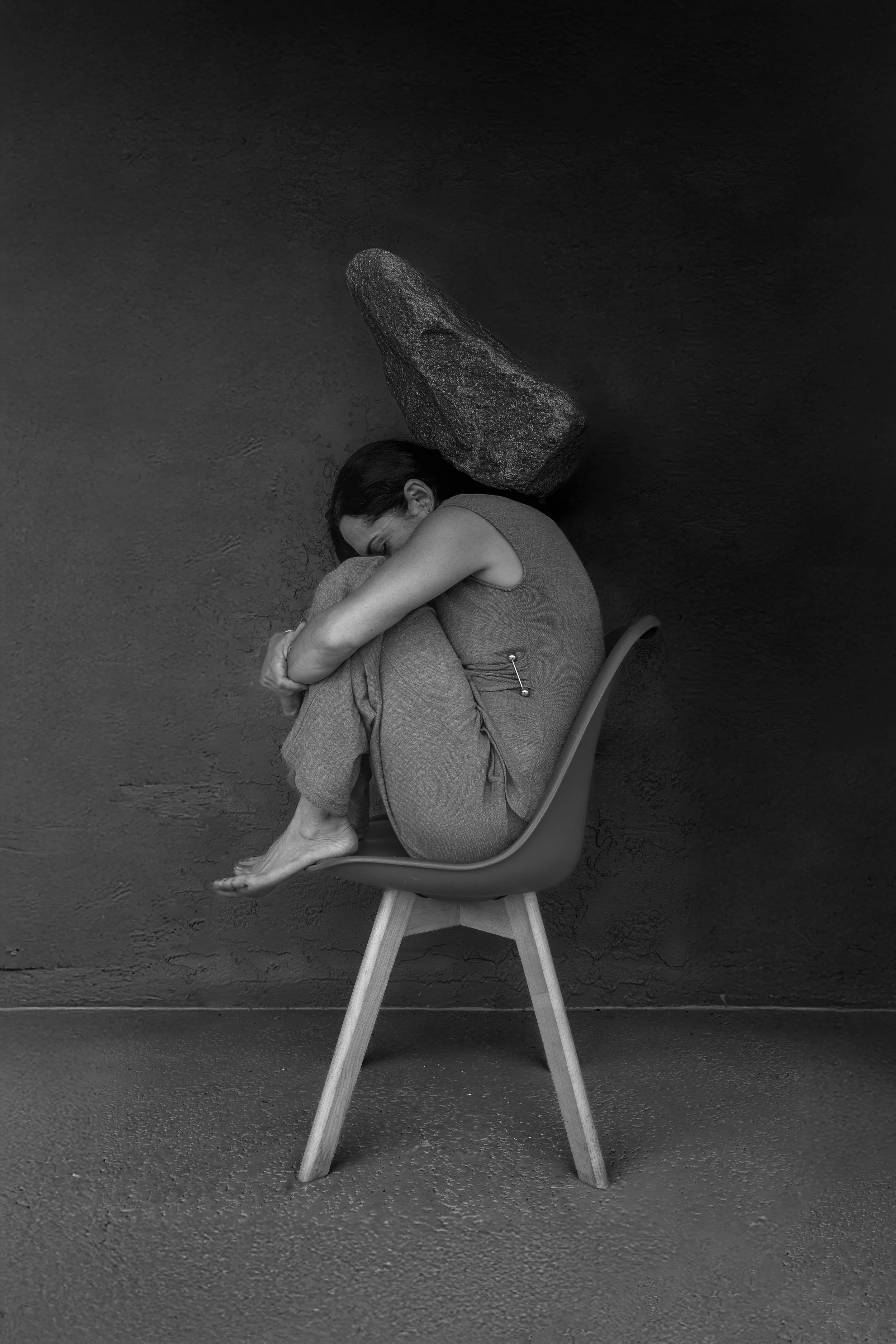
Over time, constantly being the reliable one can begin to take a toll, not always in dramatic ways, but in quieter, more subtle ones. It may show up as a persistent sense of exhaustion, a feeling of carrying too much for too long, moments where resentment flickers briefly before you push it aside.
Sometimes it appears as emotional loneliness, an experience of being surrounded by people who care about you, yet feeling as though no one truly sees how much you are holding.
One of the challenges for people who are ‘the strong one’ is that asking for help can feel unfamiliar, even uncomfortable, and this is where strength becomes a silent weight.
You may worry about burdening others, feeling you should be able to handle things yourself. Or you may fear that if you show vulnerability, the image of strength that others rely on might begin to crack.
It’s easier to stay silent, offer empathy to everyone else while quietly bypassing your own needs.
True strength often lies in allowing ourselves to be human, in recognising that no one is meant to carry everything alone.
In my work as a counsellor, I often meet people who have spent years being the dependable one. The one who keeps families steady, the one colleagues rely on, the one friends turn to for advice and reassurance.
Many of them arrive in therapy not because they have suddenly become weak, but because they have been strong for a very long time.
And sometimes the most powerful moment in the counselling room is when they realise that, for once, they do not have to hold it all together.
They can pause.
They can breathe.
They can speak honestly about the things they have been carrying.
And in that space, something important happens: the strong one finally gets to be supported too.
Being strong is not a flaw; it is often a reflection of deep empathy, resilience, and care for others.
But strength should never come at the cost of losing yourself.
Being a person who supports others so generously, you deserve the same compassion you offer so freely. Even the strongest amongst us needs a place where they’re not the one holding everything together.
Sometimes we simply need someone to sit with us, listen, and remind us that we don’t have to carry it all alone.